The notebook

Training notes from the coach.

The thinking behind the plans, the science I lean on, and the patterns I watch for. No fluff, no listicles, just the way I actually coach.

A lone runner on an open road under a hazy amber sky, distant hills blurred by wildfire smoke.
Heat & summer · 8 min read

Running in bad air quality: a coach's AQI playbook.

When the AQI spikes, most runners either bail on the week or run anyway and feel wrecked. Here is the coach's threshold chart for when to run, when to shorten the session, and when to move it indoors.

Coach Johnny Crain
Coach Johnny Crain
July 18, 2026
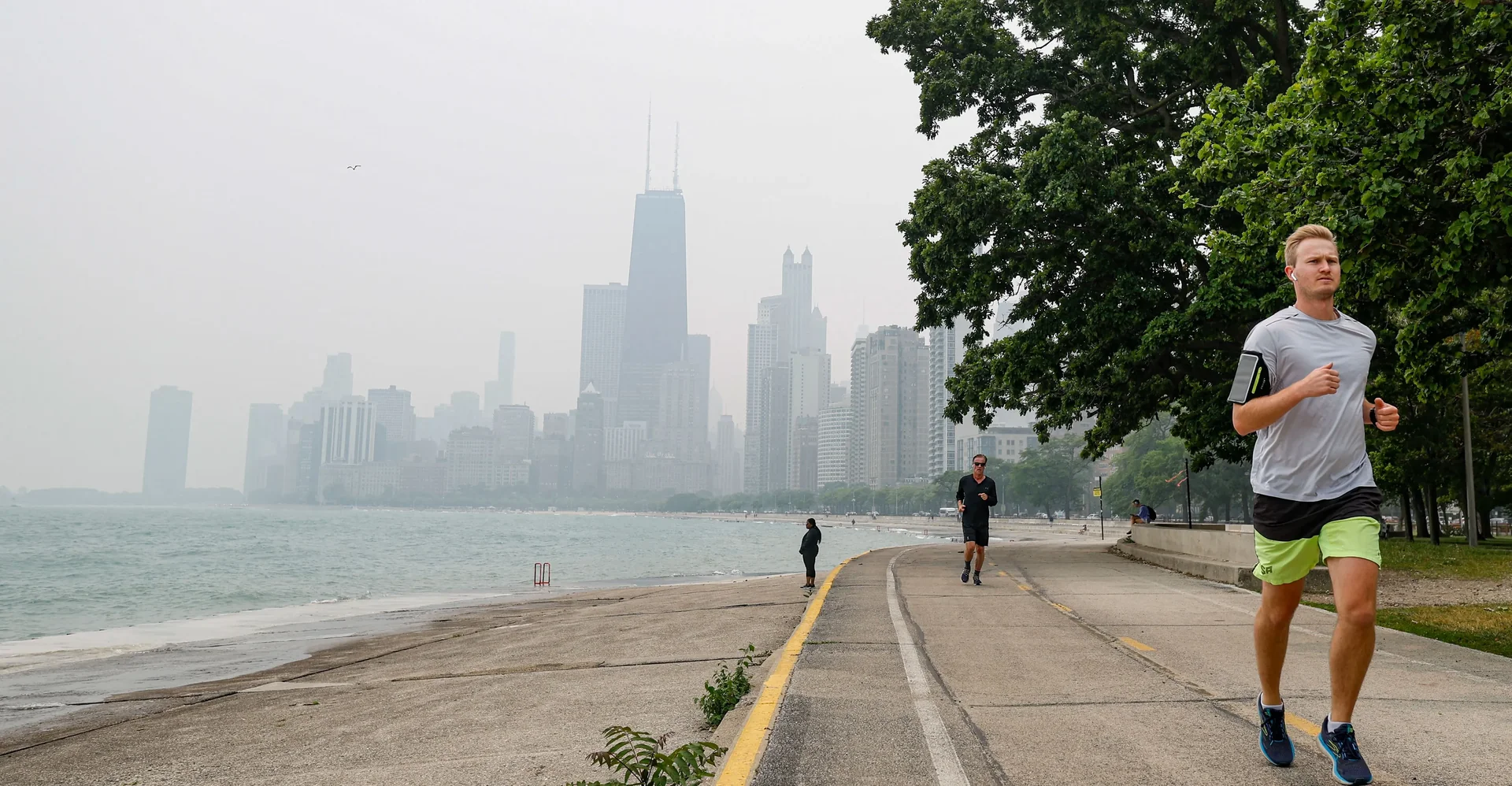
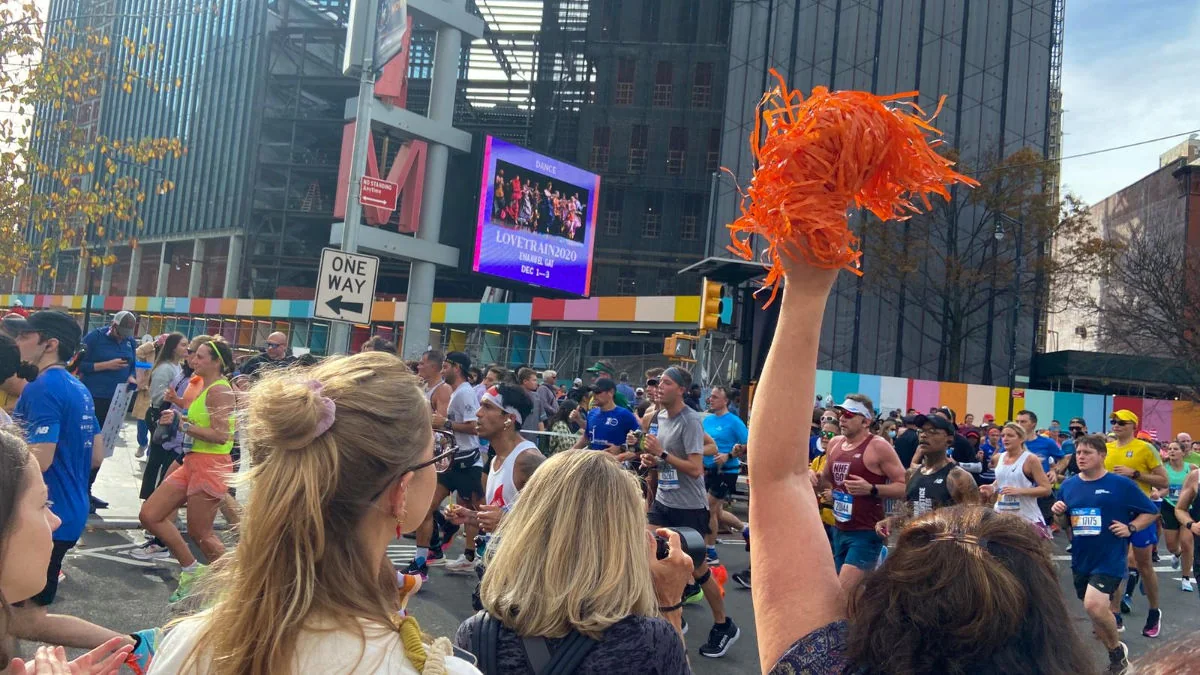
Cover image for How long is a marathon? 26.2 miles, and what that distance means for how you trainMarathon

How long is a marathon? 26.2 miles, and what that distance means for how you train

How long is a marathon? 26.2 miles, or 42.195 km. Why the distance is that exact number, and what those miles demand in training, fueling, and pacing.

Johnny Crain8 min
Overhead view of switchback singletrack on a hillside, a runner small mid-switchback.Marathon

50k training plan: a coach's real protocol for your first ultra

A coach's 50k training plan for your first ultra. The base, weekly mileage, back-to-back long runs, and the fueling and pacing that get you to the finish.

Johnny Crain9 min
Mid-pack marathon runners' legs and shoes mid-stride, shot low from curb level.Pacing

4-hour marathon pace: what to run and how to train for it

4-hour marathon pace is 9:09 per mile or 5:41 per km. The full splits, the training paces behind them, and a race-day plan that holds it to mile 26.

Johnny Crain8 min
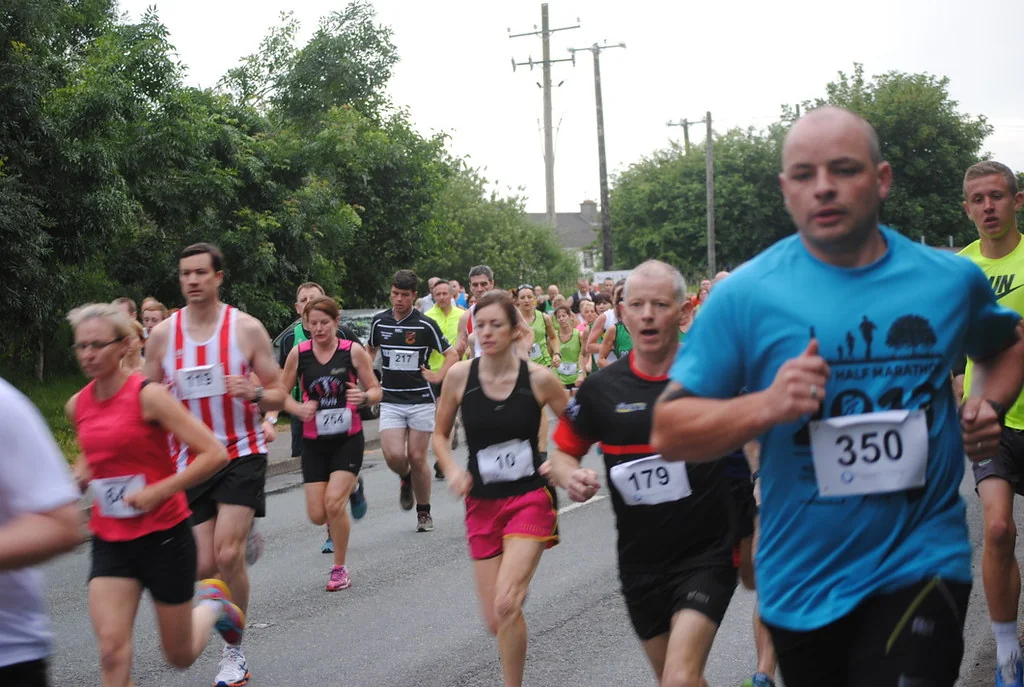
Cover image for How many miles is a half marathon? A coach's guide to the 13.1Pacing

How many miles is a half marathon? A coach's guide to the 13.1

How many miles is a half marathon? 13.1. What the distance demands of a body: base mileage, paces, weeks of preparation, and a race-day plan that holds up.

Johnny Crain8 min
Cover image for Running plans for beginners: the 8-week protocol that actually works5K & 10K

Running plans for beginners: the 8-week protocol that actually works

Most running plans for beginners stall in week two. The walk-to-run protocol, paces, and 8-week schedule a 2:12 marathoner gives first-time runners.

Johnny Crain8 min
Cover image for Half marathon pace chart: pick a pace you can actually holdPacing

Half marathon pace chart: pick a pace you can actually hold

A 2:12 marathoner's half marathon pace chart with mile, 5K, and 10K splits from 1:20 to 2:30, plus the field test that tells you which pace you can actually hold.

Johnny Crain9 min
Cover image for 50k to miles: how far is a 50k, and how to actually train for oneMarathon

50k to miles: how far is a 50k, and how to actually train for one

A 50k is 31.07 miles. But training for one is not marathon plus five. A 2:12 marathoner's guide to base, long runs, pacing, and fueling your first 50k.

Johnny Crain9 min
Cover image for Marathon pace chart: 3 hour, 4 hour and 5 hour marathon pacePacing

Marathon pace chart: 3 hour, 4 hour and 5 hour marathon pace

A 2:12 marathoner's marathon pace chart. What 3 hour, 4 hour and 5 hour marathon pace takes per mile, with 5K, 10K and half splits for every goal.

Johnny Crain11 min
Cover image for How many miles is 10,000 steps? The math, the myth, and the runner's versionCoach Johnny's notebook

How many miles is 10,000 steps? The math, the myth, and the runner's version

How many miles is 10,000 steps? Around 4 to 5 miles for most adults. A coach explains the math, the myth, and how to use the number as a runner.

Johnny Crain9 min
Cover image for 10K training plan: a coach's 10-week protocol that actually works5K & 10K

10K training plan: a coach's 10-week protocol that actually works

A 2:12 marathoner's 10-week 10K training plan built around the three sessions that matter. Paces, mileage, and the pattern most PDFs miss.

Johnny Crain8 min
Cover image for How long should your long run be? A coach's mathMarathon

How long should your long run be? A coach's math

Your long run should be 20 to 30% of weekly mileage, capped near 22 miles or 3 hours. The coaching math, tuned to your race and training age.

Johnny Crain8 min
Cover image for How to start running: a coach's guide for total beginners5K & 10K

How to start running: a coach's guide for total beginners

How to start running from zero without breaking. The pace, first four weeks, run-walk protocol, and the mistake that ends most beginner streaks.

Johnny Crain9 min
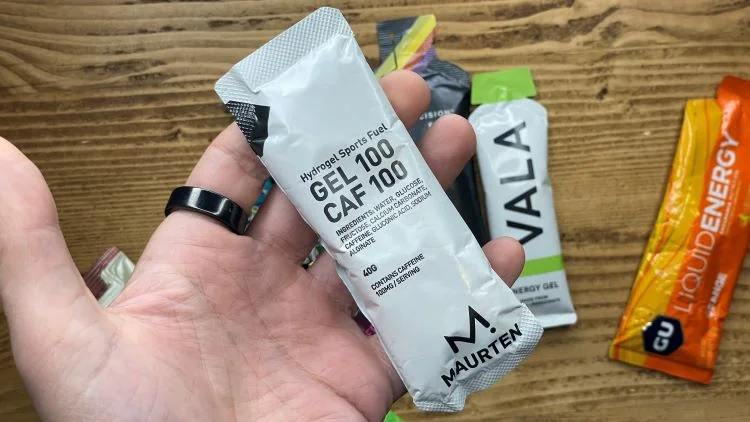
Cover image for Carbohydrate gel for running: a coach's fueling protocolMarathon

Carbohydrate gel for running: a coach's fueling protocol

How to actually use carbohydrate gels for running: how many per hour, when to take the first one, and the gut-training rules most first-timers skip.

Johnny Crain8 min
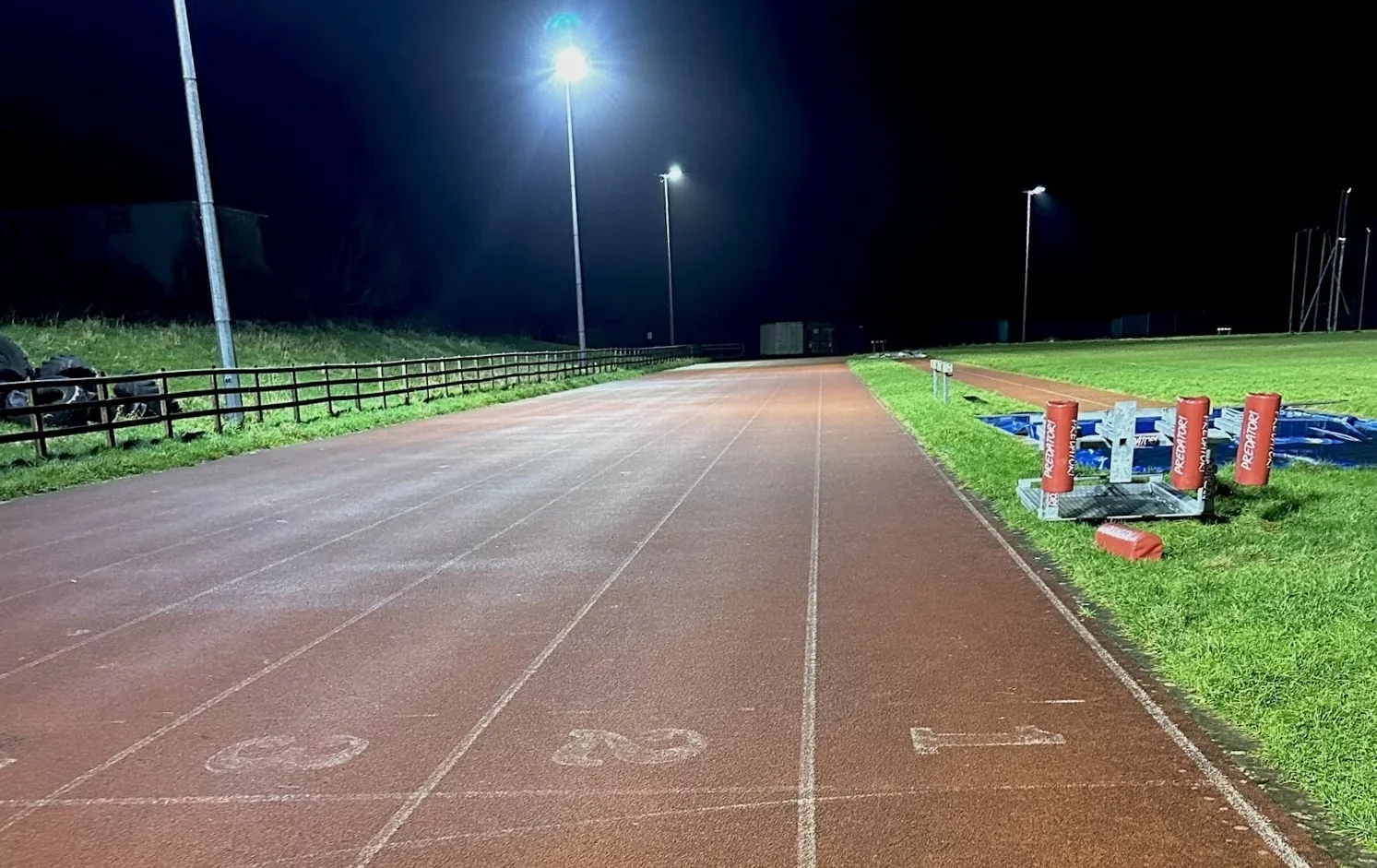
A quiet neighborhood street at sunrise with a chalked 5K start line, no runners yet visible.5K & 10K

5K pace chart: what each pace actually gets you

5K pace chart with mile and kilometer splits, plus the paces most runners misuse and how to pick the one you can actually hold on race day.

Johnny Crain9 min
Cover image for Running in heat and humidity: how much to slow downHeat & summer

Running in heat and humidity: how much to slow down

Running in heat and humidity costs real time. How much to slow down, why dew point beats humidity, and how to still get the workout done.

Johnny Crain8 min
Cover image for What is a tempo run: the threshold session that decides your race pacePacing

What is a tempo run: the threshold session that decides your race pace

A 2:12 marathoner's honest breakdown of the tempo run: what pace, how long, how often, and the three ways most runners get it wrong.

Johnny Crain9 min
A marathon finish-line arch under a low sun, finisher banners overhead.Marathon

Marathon taper: the three-week protocol most runners get wrong.

Most tapers fail because runners cut the wrong thing. The 3-week protocol: what to drop, what to keep, and when your last hard workout should land.

Johnny Crain8 min
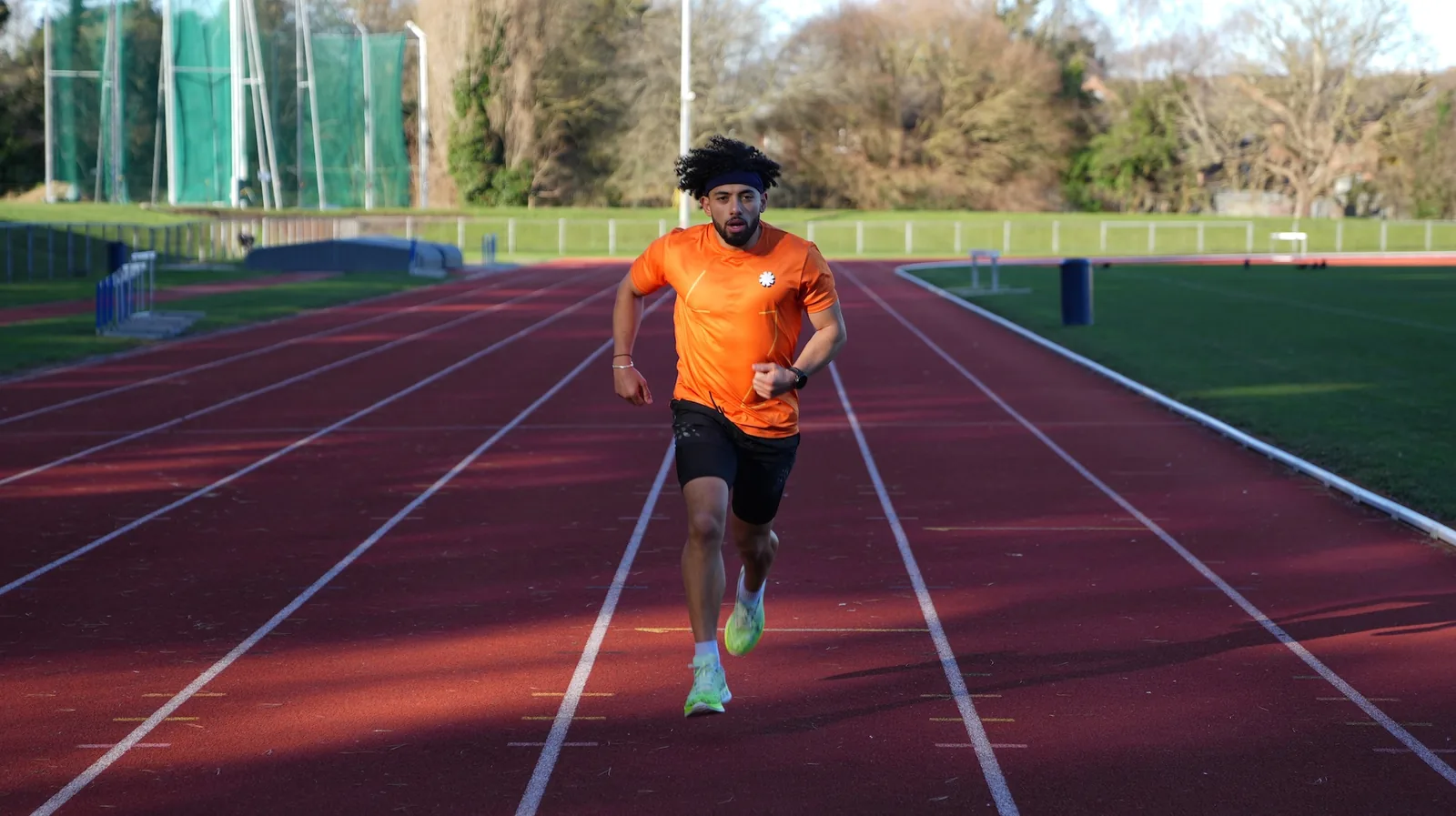
A runner in orange sprinting down a red outdoor track during an interval session.Pacing

How to run faster: a coach's eight-week protocol

Want to run faster? The eight-week protocol a 2:12 marathoner uses with athletes, with the strides, threshold work, and form fixes that actually move pace.

Johnny Crain9 min
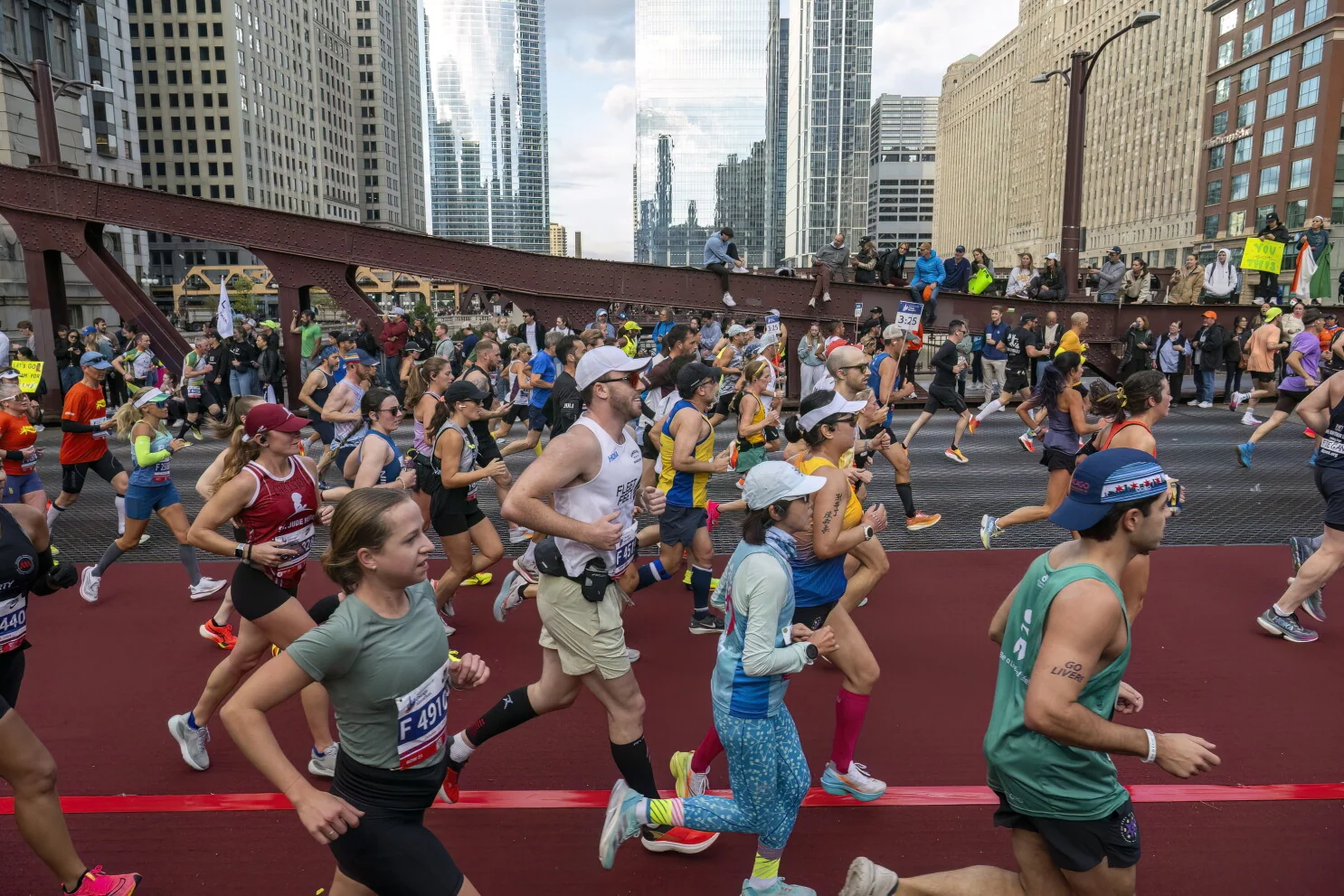
A wide field of everyday marathon runners moving down a broad city avenue at sunrise, seen from behind.Marathon

Average marathon time: what the numbers actually mean for your race

The global average marathon time is around 4:30. What that number actually means, why it doesn't set your goal, and how to pick a real target.

Johnny Crain7 min
A runner pausing at the side of a sunlit gravel path, one hand resting lightly above the kneecap.Recovery

Runner's knee: the real cause and the protocol that heals it.

It is not a knee problem, it is a hip and load problem. Why rest alone fails, and the four-phase protocol that actually heals it.

Johnny Crain10 min
A runner walking on a treadmill beside tall windows in a dim modern gym.Pacing

Treadmill pace chart: MPH and KPH conversions for every running speed.

Convert MPH and KPH to real running paces, plus the 1% incline rule and how to actually train indoors.

Johnny Crain10 min
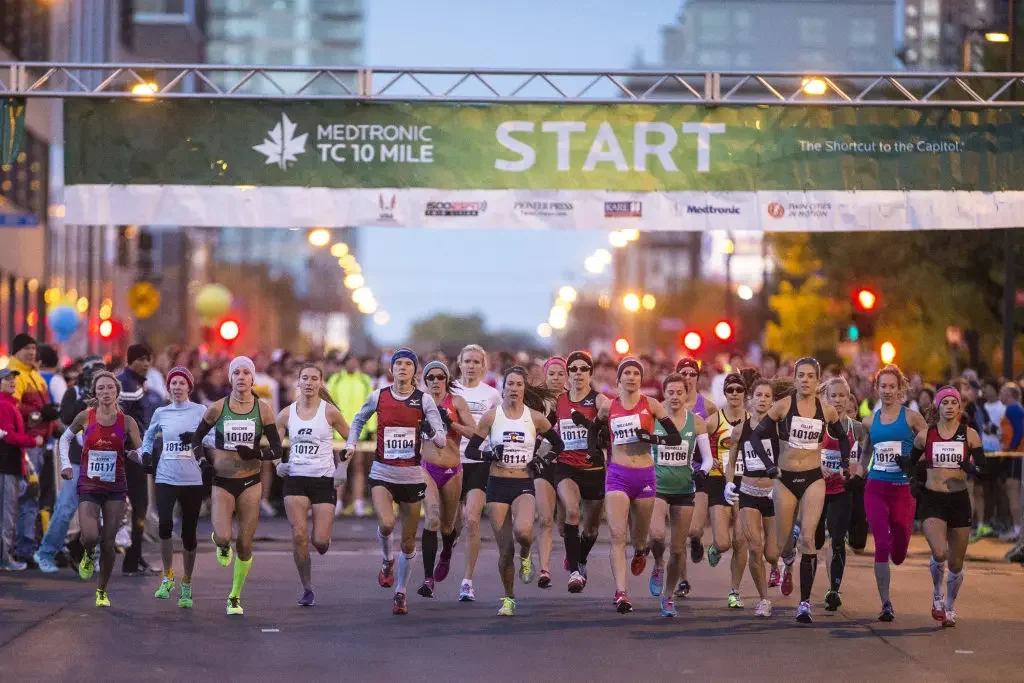
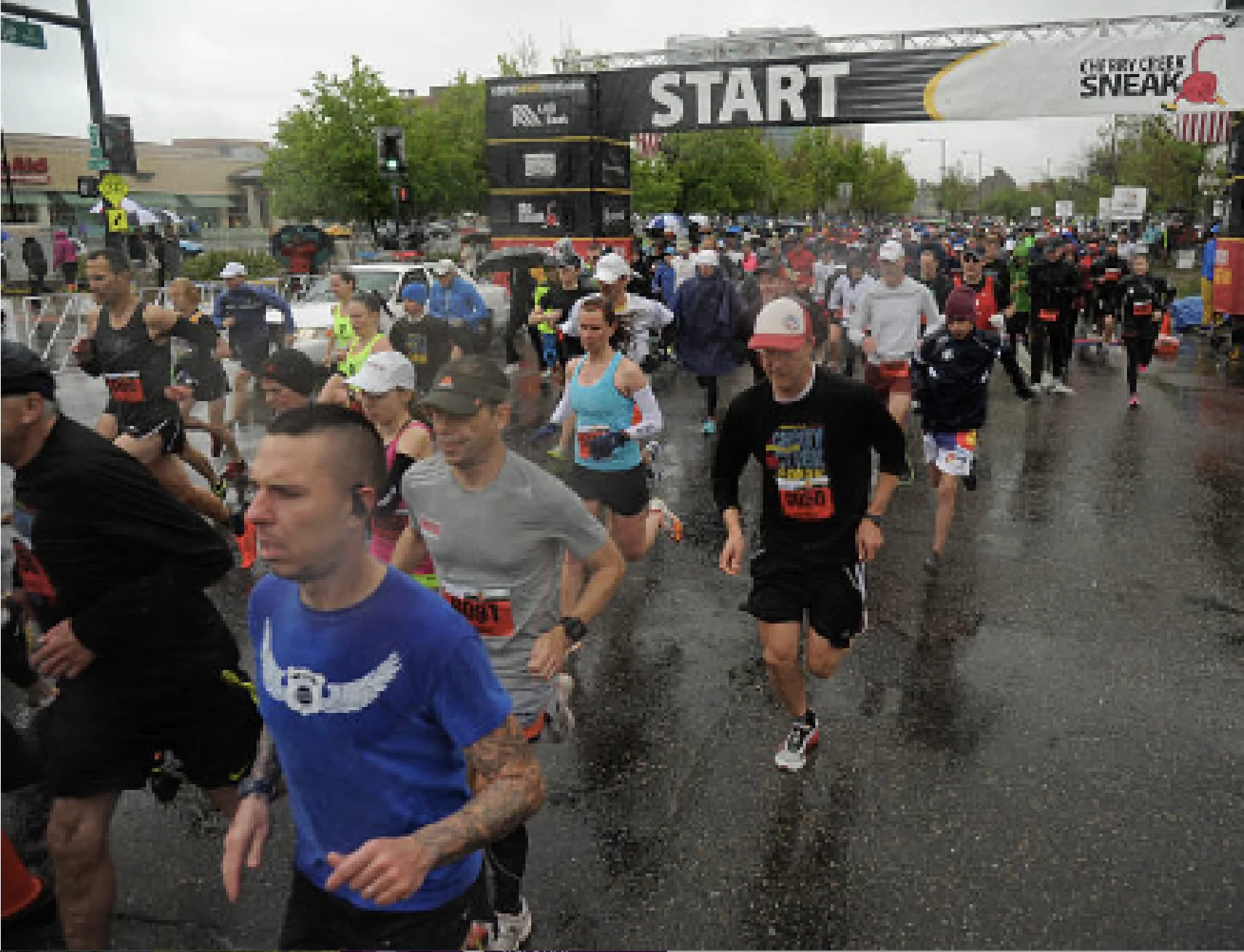
Runners crossing the start line of the Cherry Creek Sneak 5K in Denver on a rainy race day.5K & 10K

How many miles is a 5K? And how to actually train for one.

3.1 miles is the easy answer. The harder one is how to pace and build for it without blowing up at the line.

Johnny Crain7 min
A solo runner mid-stride at sunrise on an empty country road, breath visible in cold air.Marathon

How to run a marathon: the complete coach's guide.

From your first long run to the start corral, the full arc of building toward 26.2 without breaking down along the way.

Johnny Crain10 min
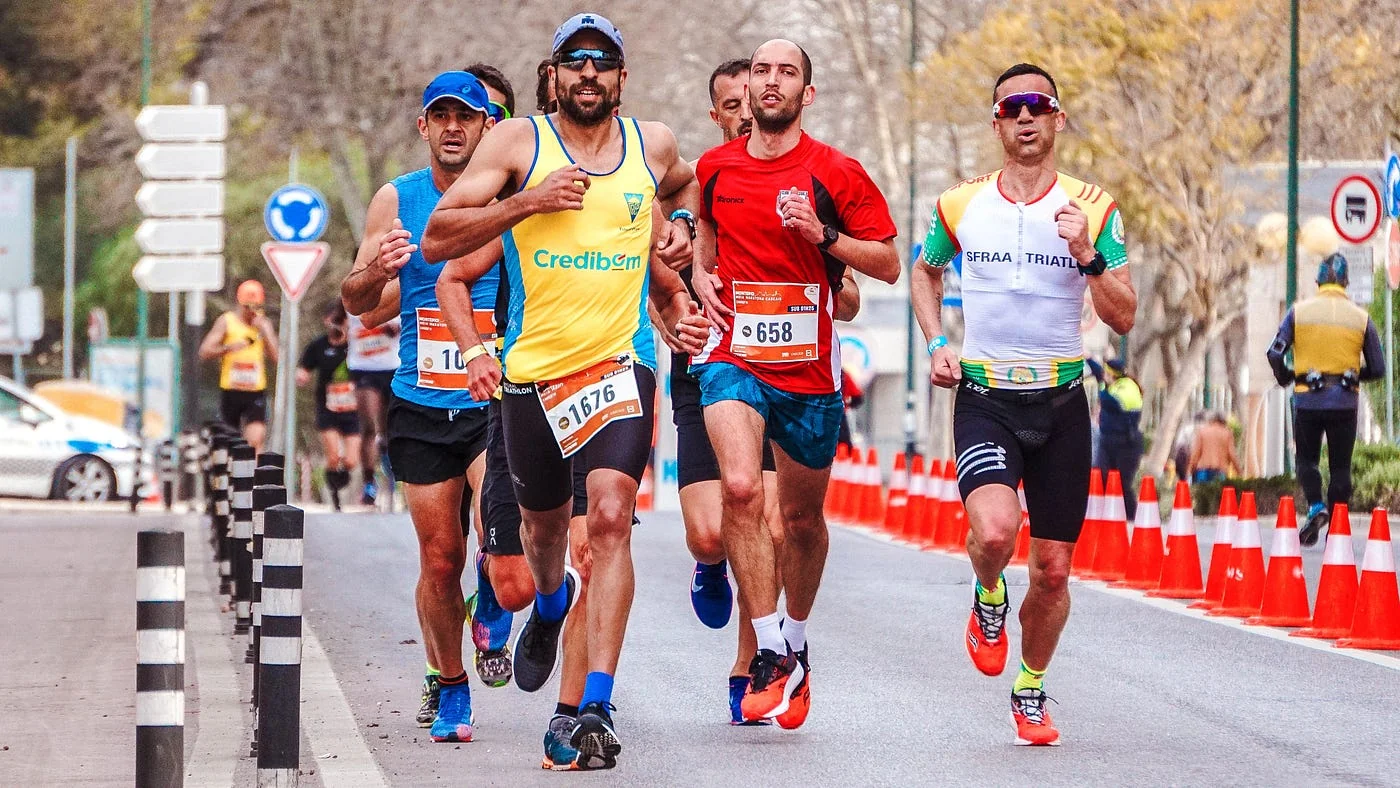
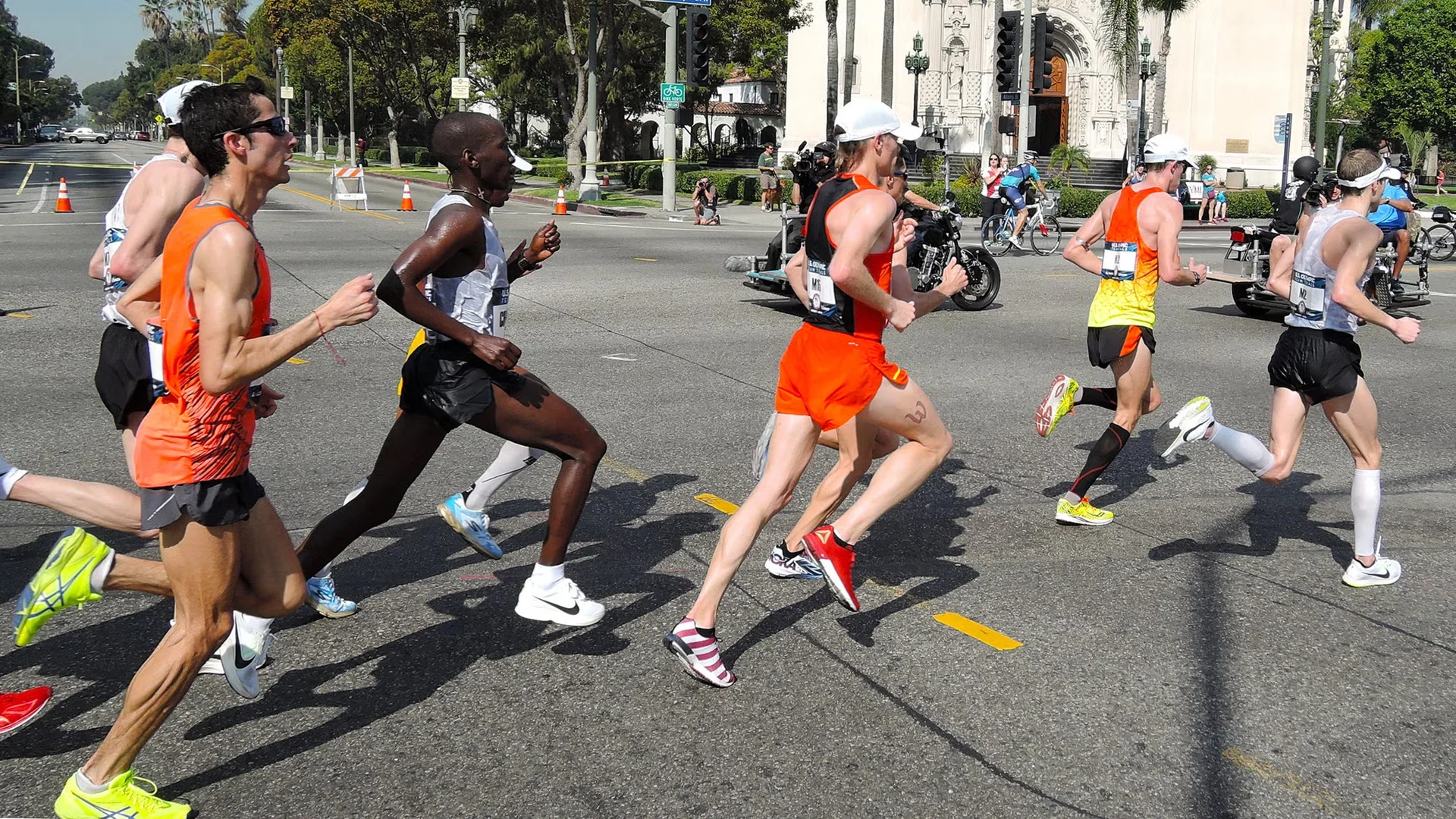
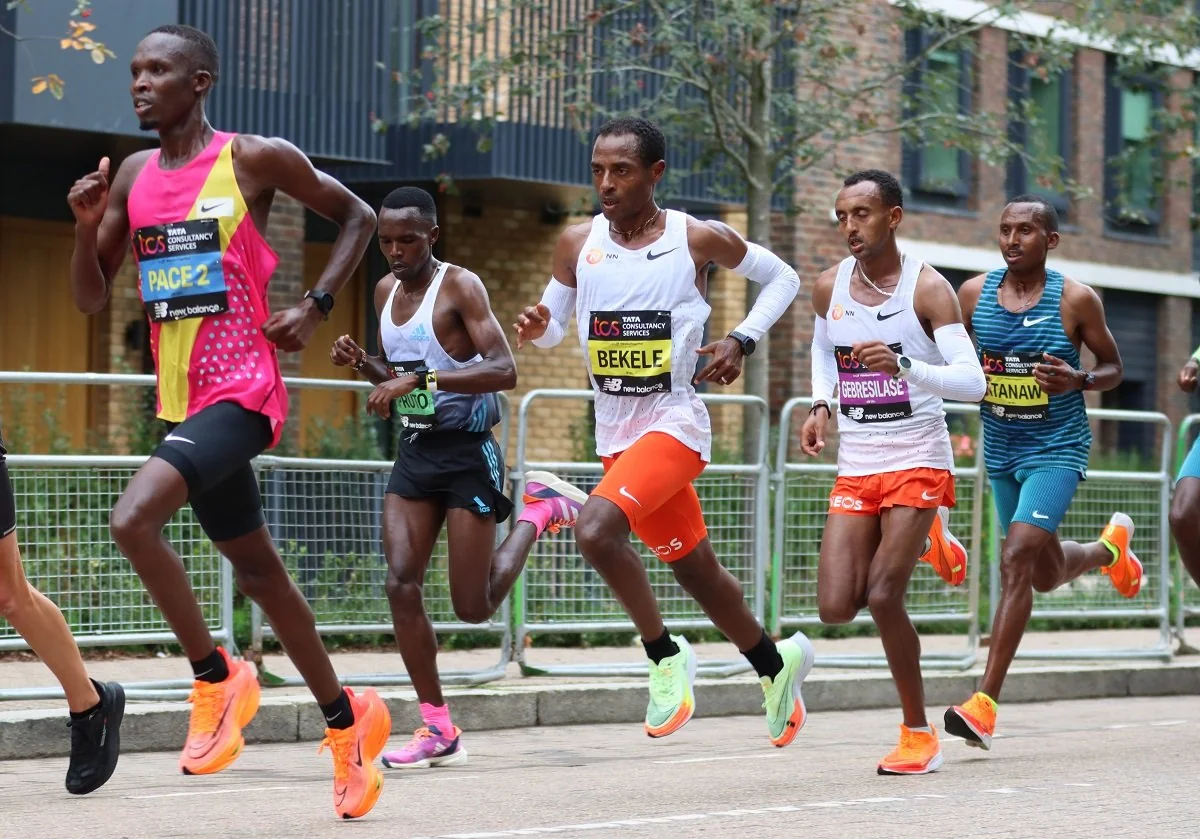
An elite marathon pack mid-race, the leaders tightly grouped.Marathon

The science-backed marathon training guide: engineering your fastest 26.2.

The physiology that actually moves the needle, and how to structure a block around it instead of guessing.

Johnny Crain5 min
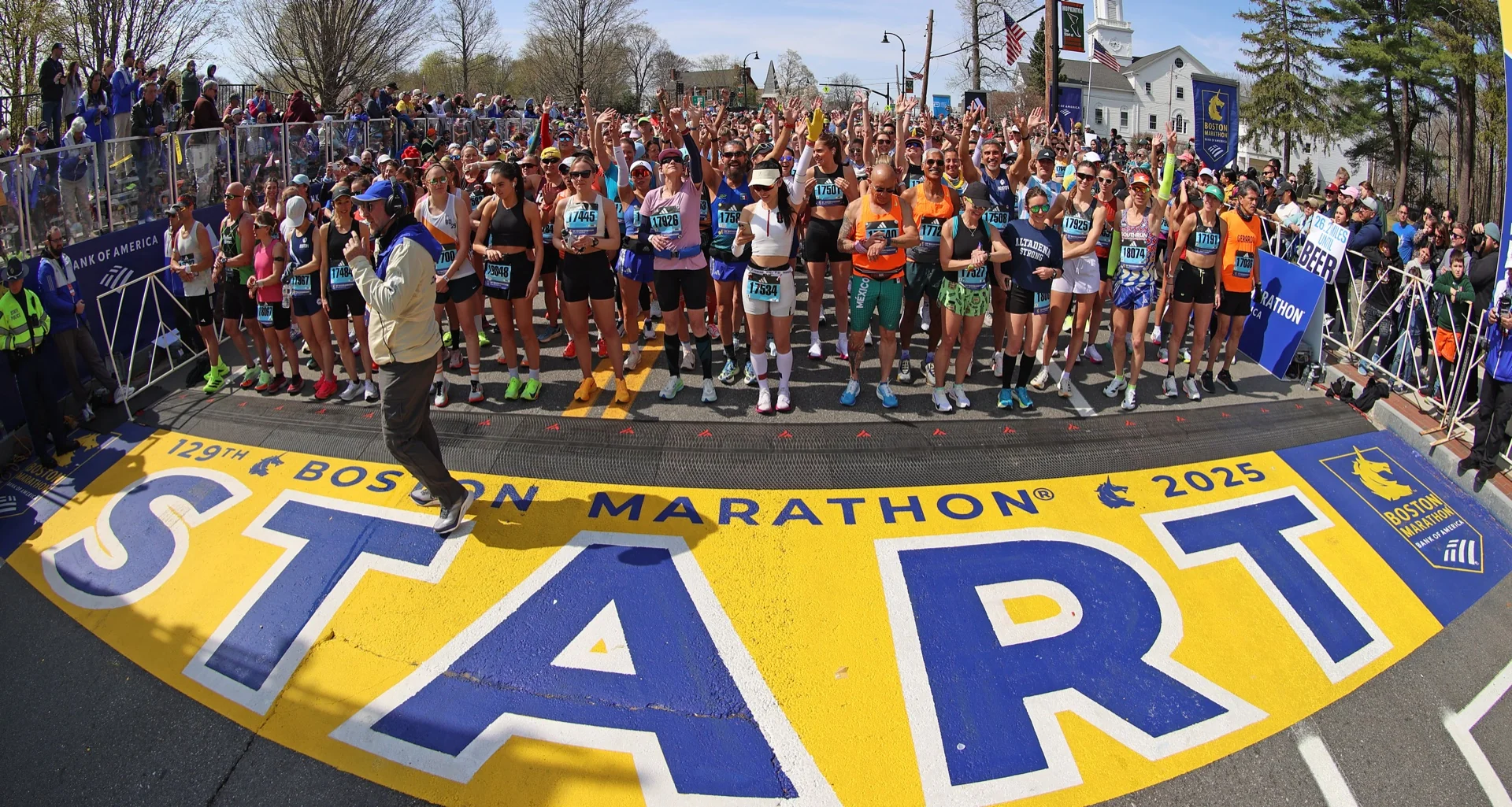
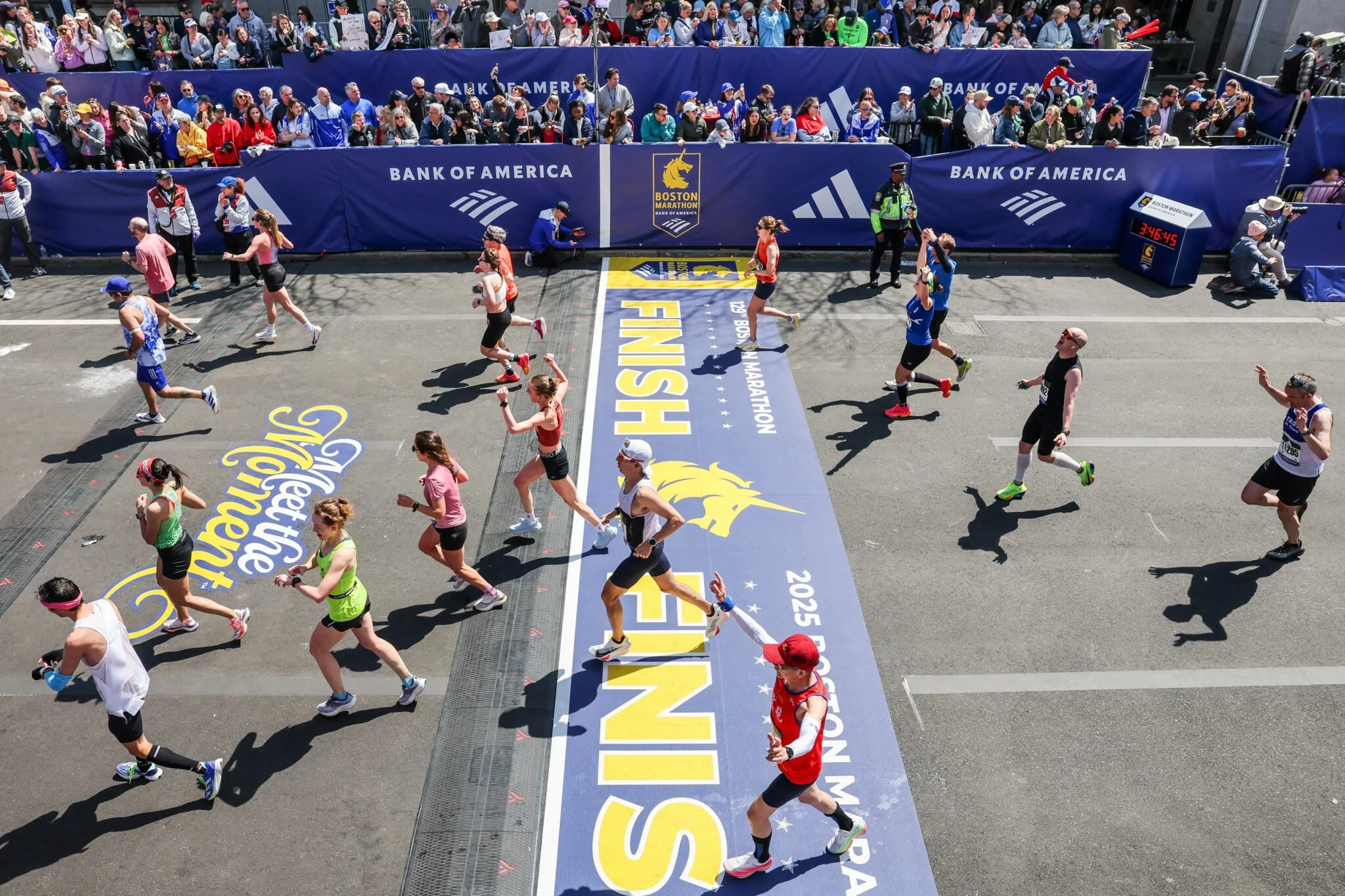
The Boston Marathon finish line on Boylston Street on race day.Marathon

How to qualify for Boston: a masterclass in personalized training.

A BQ is a precision project, not a volume contest. Here is how a coach builds the plan that gets you there.

Johnny Crain6 min

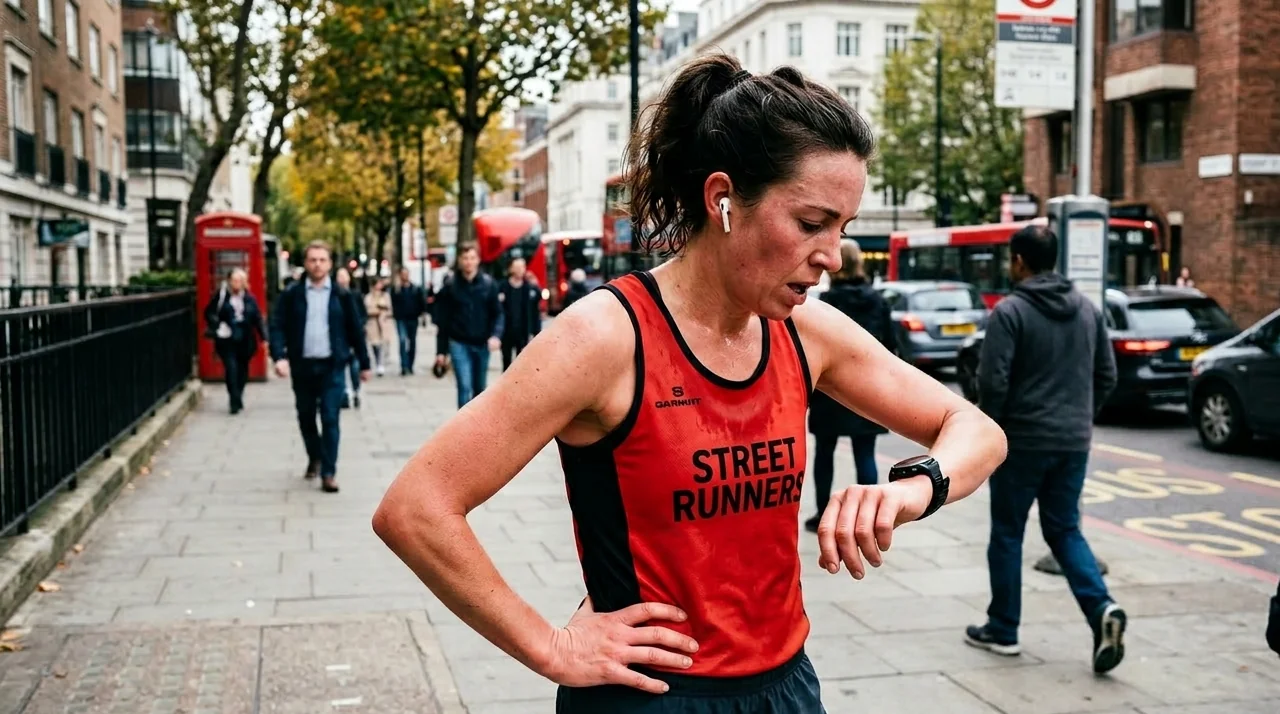
An exhausted runner checking watch splits with their head bowed.Recovery

How to avoid running burnout using recovery data.

The early signs of overreaching show up in your data before they show up in your legs. Here is what to watch.

Johnny Crain6 min
A runner on a forested trail at an easy, conversational pace.Easy runs

Is your easy run pace too fast? The science of slowing down to speed up.

Most runners run easy days too hard and hard days too easy. The fix is simpler, and slower, than you think.

Johnny Crain7 min
A runner mid-deadlift in a home gym, focused on form.Strength

Strength training for runners: what actually carries over.

Not every lift makes you faster. Here are the movements that build durable, resilient running, and the ones to skip.

Johnny Crain6 min
A solo runner on shimmering desert asphalt under a brutal summer sun.Heat & summer

The physiology of summer running: why heat is the poor man's altitude.

Train smart through the heat and you bank adaptations that pay off all fall. Push too hard and you cook your season.

Johnny Crain7 min
A GPS running watch resting on a notebook with handwritten pace zones.Pacing

What is VDOT in running? And how a coach actually uses it.

VDOT turns a race result into training paces. The number is easy; knowing when to trust it is the coaching.

Johnny Crain8 min

Get the next training note

One email when a new post drops. Pacing, plans, and the patterns I watch for. No spam, unsubscribe anytime. Want it dialed in for you? work with me 1-on-1.

Almost in. Check your inbox to confirm your email.